2026
2nd Said Annual Roundtable on Indonesia and Religious Affairs
20- 21 October 2026 Conference Dates
SBSN Universitas Islam Negeri Raden Mas Said Surakarta, Indonesia
Religion, Ecology and Green Technology: Innovation, Ethics and Sustainable Development
Religion, Ecology and Green Technology: Innovation, Ethics and Sustainable Development” explores the dynamic relationship between religious values, ecological responsibility, and technological innovation in addressing contemporary environmental challenges. The theme provides a multidisciplinary platform for examining how religious traditions and ethical frameworks can contribute to sustainable approaches to climate change, environmental protection, renewable energy, green technology, responsible consumption, and ecological justice. It also encourages critical discussion of how emerging technologies can be developed and applied responsibly while remaining attentive to moral, social, cultural, and environmental considerations. By bringing together perspectives from religious studies, environmental humanities, science and technology, social sciences, economics, education, and sustainable development, the theme seeks to advance innovative and ethically grounded pathways toward a greener, more resilient, and sustainable future.
Timeline.
Key Dates to Remember
02
August 20, - Sept 28, 2026
Submit abstract
03
Oct 1, 2026
Inform accepted abstract
02
Oct 1 - Oct 13, 2026
Submit full paper
03
Oct 20-21, 2026
Conduct conference
Keynote Speaker
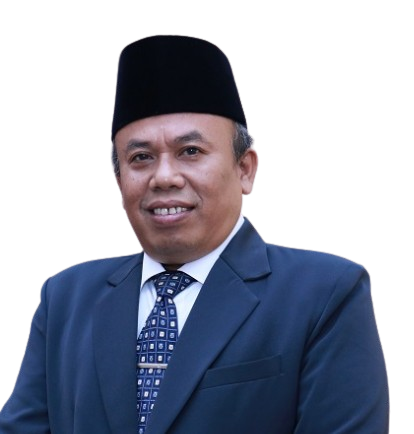
Prof. Dr. H. Toto Suharto, S.Ag., M.Ag
Rector
Welcoming Speaker

Comittte
Prof. Muhammad Latif Fauzi, S.H.I., M.S.i, M.A., Ph.D.
Chairman of the committee
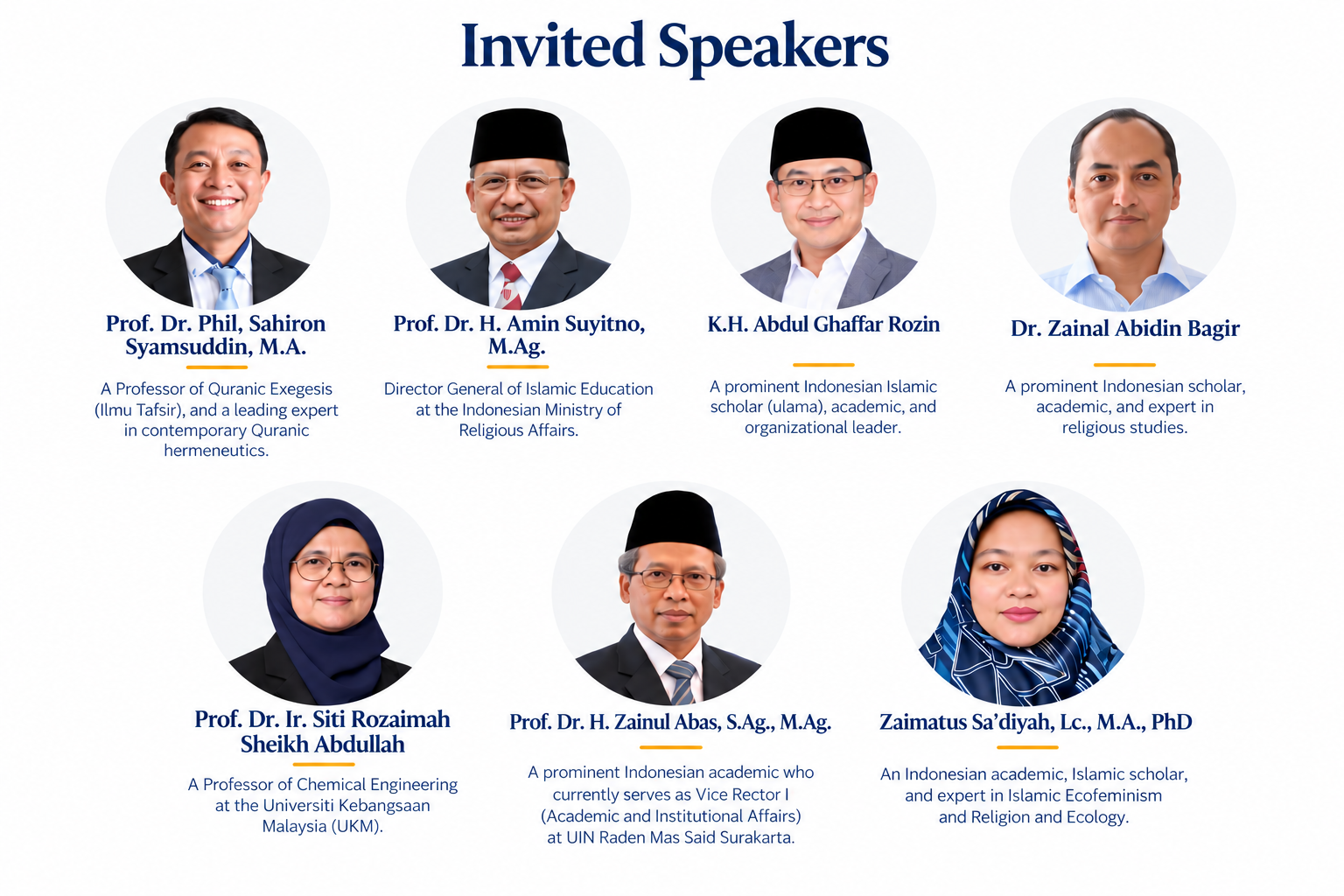
Invited Speakers

Prof. Dr. Phil. Sahiron Syamsuddin, M.A
A Professor of Quranic Exegesis (Ilmu Tafsir), and a leading expert in contemporary Quranic hermeneutics.
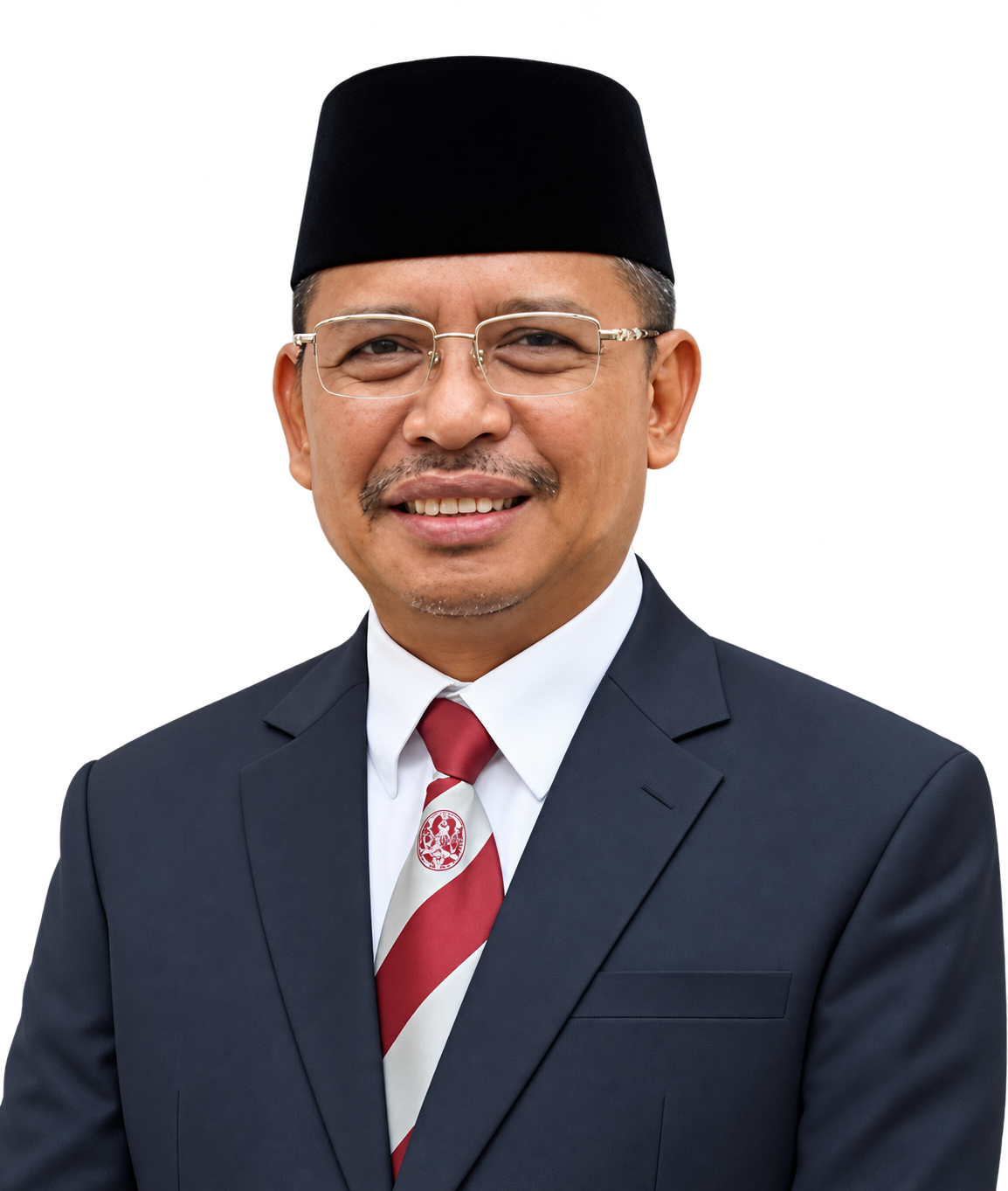
Prof. Dr. H. Amin Suyitno, M.Ag.
Director General of Islamic Education at the Indonesian Ministry of Religious Affairs
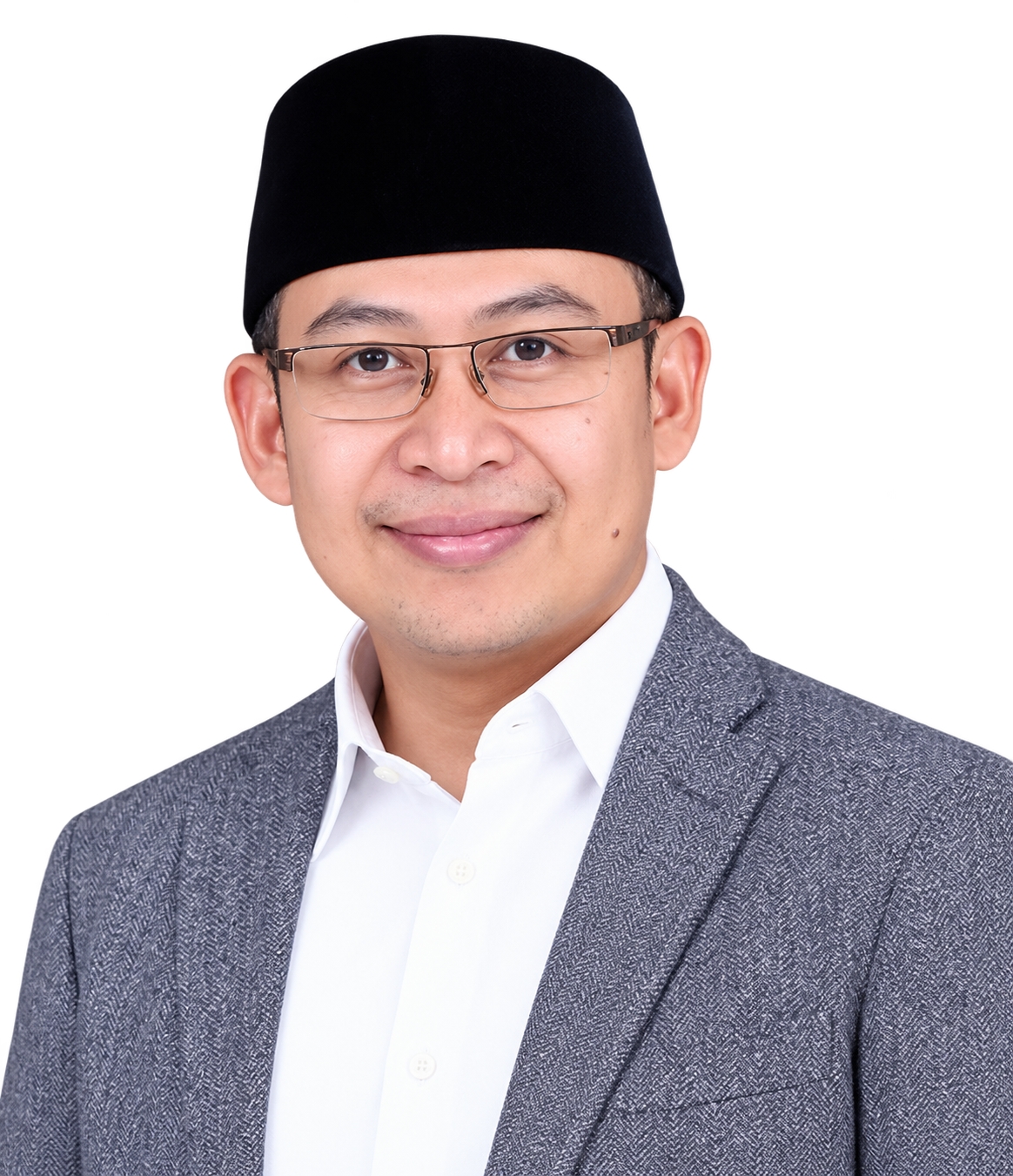
K.H. Abdul Ghaffar Rozin
A prominent Indonesian Islamic scholar (ulama), academic, and organizational leader

Dr. Zainal Abidin Bagir
A prominent Indonesian scholar, academic, and expert in religious studies.
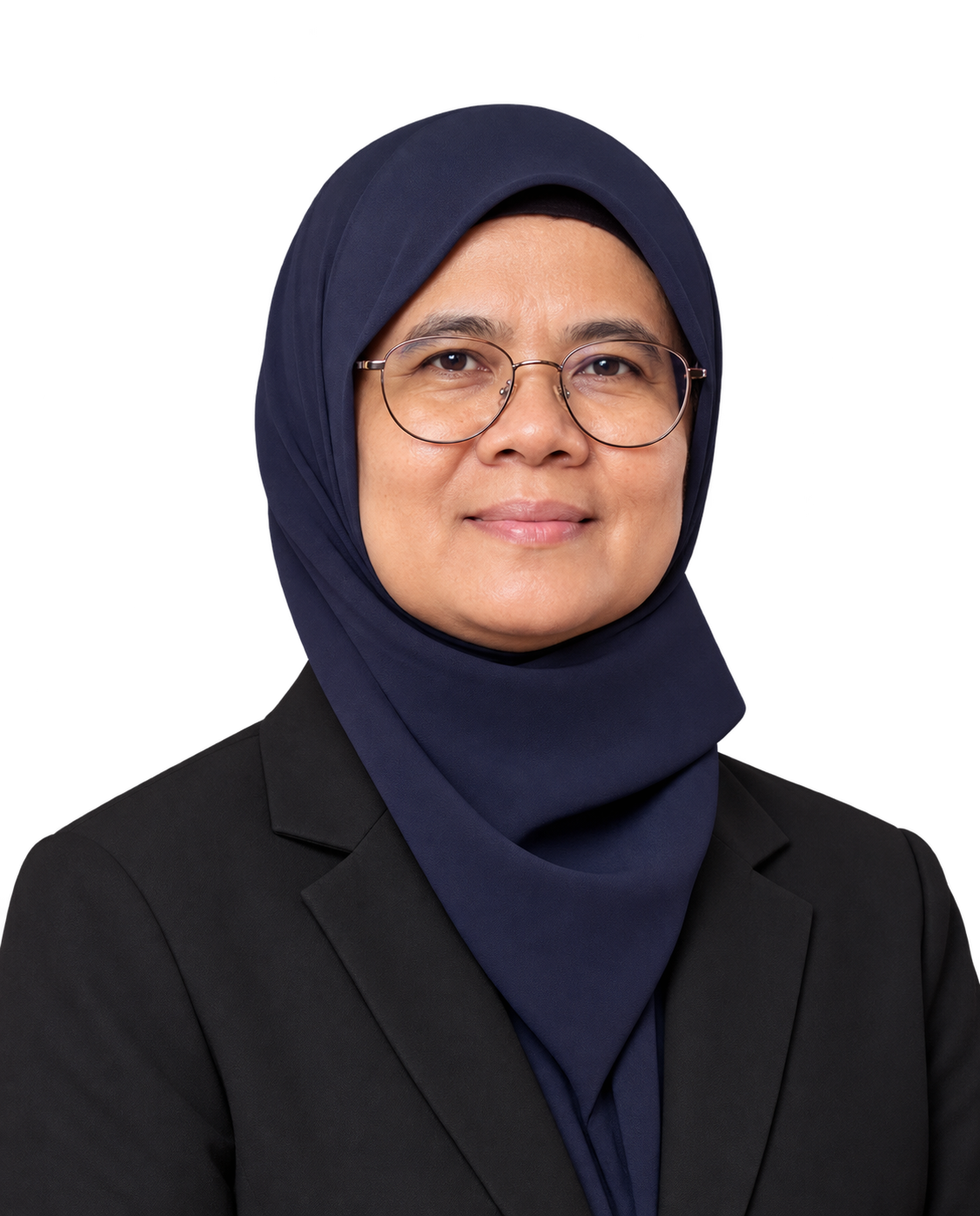
Prof. Dr. Ir. Siti Rozaimah Sheikh Abdullah
(in confirmation)
A Professor of Chemical Engineering at the Universiti Kebangsaan Malaysia (UKM)
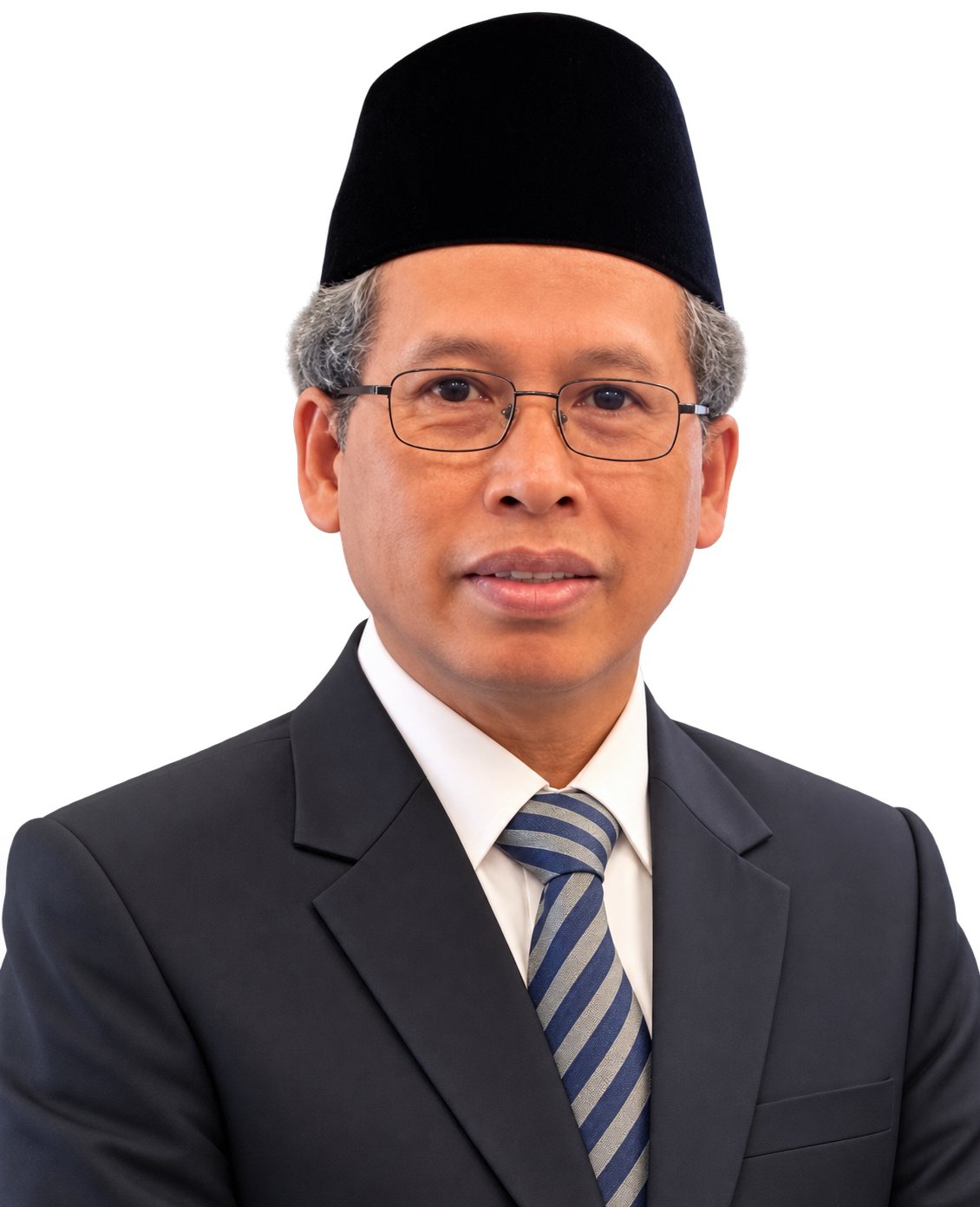
Prof. Dr. H. Zainul Abas, S.Ag., M.Ag
A prominent Indonesian academic who currently serves as Vice Rector I (Academic and Institutional Affairs) at UIN Raden Mas Said Surakarta

Zaimatus Sa’diyah, Lc., M.A., PhD
An Indonesian academic, Islamic scholar, and expert in Islamic Ecofeminism and Religion and Ecology
Sub-themes
Religion, Green Law and Environmental Governance
Exploring the role of religious ethics, environmental law, climate regulation, ecological justice, and legal frameworks in promoting sustainable development, green technology, environmental protection, and responsible governance.
Religion, Green Finance and Sustainable Economic Innovation
Examining Islamic and other faith-based financial perspectives on green finance, sustainable investment, ESG, Islamic green bonds (green sukuk), carbon markets, ethical financing, renewable-energy investment, and financial mechanisms supporting the transition to a low-carbon economy.
Religion, Ecology and Green Technology for Environmental Sustainability
Investigating the relationship between religious ecological ethics and technological innovation, including renewable energy, circular economy, waste management, sustainable agriculture, smart cities, carbon reduction, climate adaptation, and net-zero technologies.
Religion, Green Education and Sustainable Transformation
Exploring how religious education, environmental education, digital learning, curriculum development, and values-based pedagogy can foster ecological awareness, sustainable behavior, climate literacy, and responsible use of green technologies among students, communities, and future generations.
Green Pesantren: Integrating Islamic Values and Ecological Sustainability
This sub-theme explores the role of pesantren (Islamic boarding schools) in promoting ecological awareness and sustainable practices through the integration of Islamic values and environmental principles. It highlights how Islamic teachings on khalīfah (stewardship), amānah (responsibility), mīzān (balance), and maṣlaḥah (public benefit) can inform environmental education, resource management, and sustainable lifestyles within pesantren communities.
Green University and Ecological Sustainability
This sub-theme explores the role of universities in promoting ecological sustainability through green campus initiatives, environmental education, sustainable research, and responsible institutional practices. It welcomes discussions on renewable energy, waste management, sustainable buildings, biodiversity conservation, green transportation, water and energy efficiency, and climate action. Particular attention is given to how universities can integrate environmental values into teaching, research, community engagement, and institutional governance to create environmentally responsible and sustainable academic communities.
Publication